
From incoming cotton
to bales and seed.
At our mill in Odisha, the cotton journey includes more than ginning. Identification, cleaning and records connect the material we receive with the products we dispatch.
Inside the mill
Care at
every stage.
We buy cotton from farmers.
Here is how it moves through our mill.
The clip could not load. Open the video file.
Explore each stage
Receive and identify the cotton.
We check the source, material description, quantity and lot or batch identification against the accompanying records. The cotton is identified when it arrives. Material with unclear identification or missing supporting information is held for verification.
Keep material clearly separated.
Identified cotton is placed in designated storage areas. Marked locations and physical separation help prevent unintended mixing. Lot identification stays with the material during storage and movement to processing.
Check equipment before use.
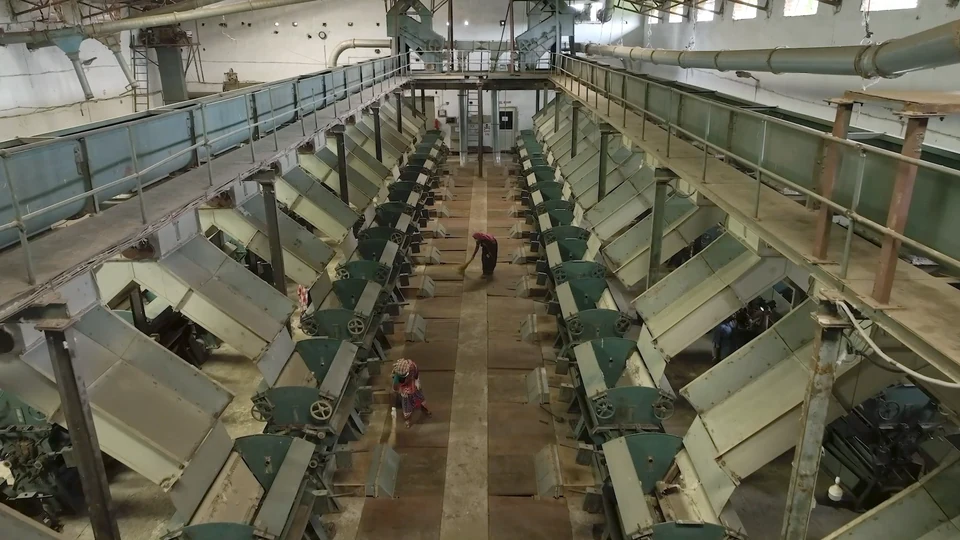
Equipment and handling areas are checked before a run. Where previous material could carry over, visible residues are removed before the next material is handled. The first material handled after cleaning is checked for visible contamination.
Separate the fibre from the seed.
At our mill in Odisha, ginning separates the cotton fibre from the seed. The material remains identified through processing, with the lot or batch reference carried into the processing records.
Press the fibre and record production.
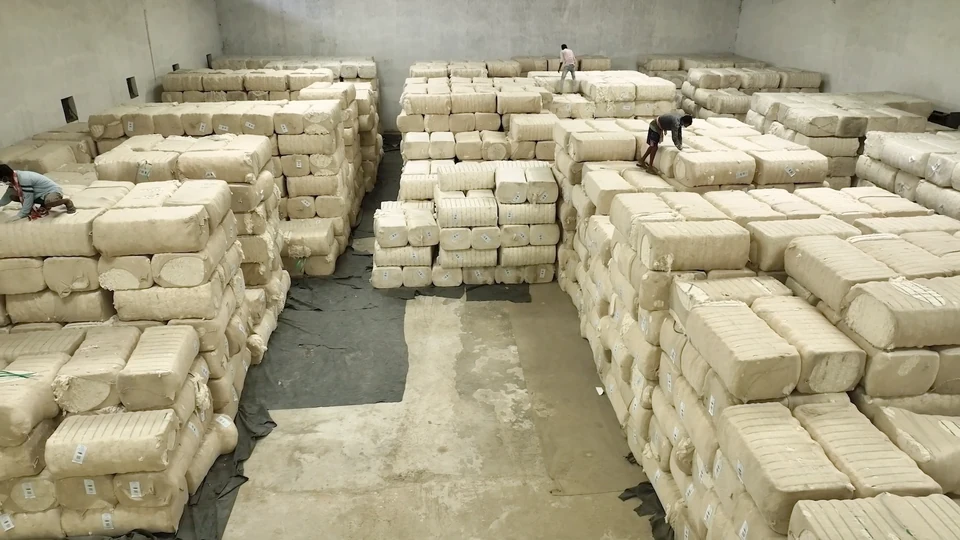
The ginned fibre is pressed into cotton bales. Cottonseed is the other product of the process. Input and output quantities are recorded against the processing lot to support stock reconciliation and traceability.
Verify the material before dispatch.
Product identity, quantity and lot or batch details are checked against the stock and dispatch records. Loading areas and vehicles are checked for cleanliness. Dispatch records link the outgoing material back to its relevant incoming lot or source.
Handling the bale.
Keeping its identity.
After pressing, cotton bales are handled and stored with their lot identification. Product identity and quantities are checked against stock and dispatch records.
The clip could not load. Open the video file.
Equipment and handling areas
Equipment checks.
Careful cleaning.
Keeping equipment clear of previous material helps protect the identity of the next lot. Our cleaning approach covers the equipment, the surrounding handling areas and the vehicles used for loading.
- Equipment
- Handling areas
- Loading and vehicles
- Before handling or processing
- We check equipment, tools and material-contact areas before use. If equipment has handled other material, cleaning removes visible residues from the previous operation where there is a risk of mixing.
- When handling resumes
- The first material handled after cleaning is checked for visible carry-over. Cleaning is recorded where applicable, alongside the identification and processing records used to follow the material.
- Around storage and loading
- Handling and loading areas are checked and residues from previous material are removed. Vehicles and containers must be clean and suitable for the material being loaded. Identification and separation continue during movement.
Following the material
The lot connects
the records.
Traceability follows the lot or batch through receipt, processing, storage and dispatch. The reference stays with the material, while recorded quantities help reconcile what came in, what was produced and what remains in stock.
Carried through the material and its records
Receipt
- Source and material
- Incoming quantity
- Incoming lot or batch
Processing
- Lot or batch reference
- Input quantities
- Output quantities
Stock
- Identified material
- Storage location
- Remaining quantity
Dispatch
- Product and quantity
- Outgoing lot reference
- Link back to receipt
Recorded quantities help reconcile the cotton received, products made and material remaining in stock.
When something needs checking.
If identification is unclear or mixing is suspected, the affected operation is stopped and the material is identified and held separately. The cause, affected quantity and lot are checked before the material is cleared for its intended use or dispatch.
Our workplace
People behind
the process.
We check worker ages, wages and working hours. We prohibit child labour and forced labour.
These commitments guide our workplace practices at the mill.
Training for everyday handling.
Staff involved in receiving, storage, processing and dispatch are trained in material identification, separation, cleaning procedures, traceability and incident reporting.
Handlers are instructed to report mixing, spillage and incorrect labels so affected material can be checked. Periodic checks cover identification, equipment cleanliness and incoming and outgoing records.
Ginning enquiries
Tell us about
the work you need.
Share the quantity, location of the cotton, preferred timing and the work required. Speak with us about availability and the arrangements for your enquiry.
Discuss a ginning requirementUseful details to share
- Your company and contact details
- Quantity and unit
- Location of the cotton
- Preferred timing
- Description of the work required
Continue the journey
Next, the market.
Cotton bales and cottonseed are the products of the process. Explore what to include in a buying enquiry, from specifications and quantity to timing and destination.
Explore products and enquiries